
By Nur Izzah Nabila Binti Maarof, Kokoha Tomura, Lathiifah Adila
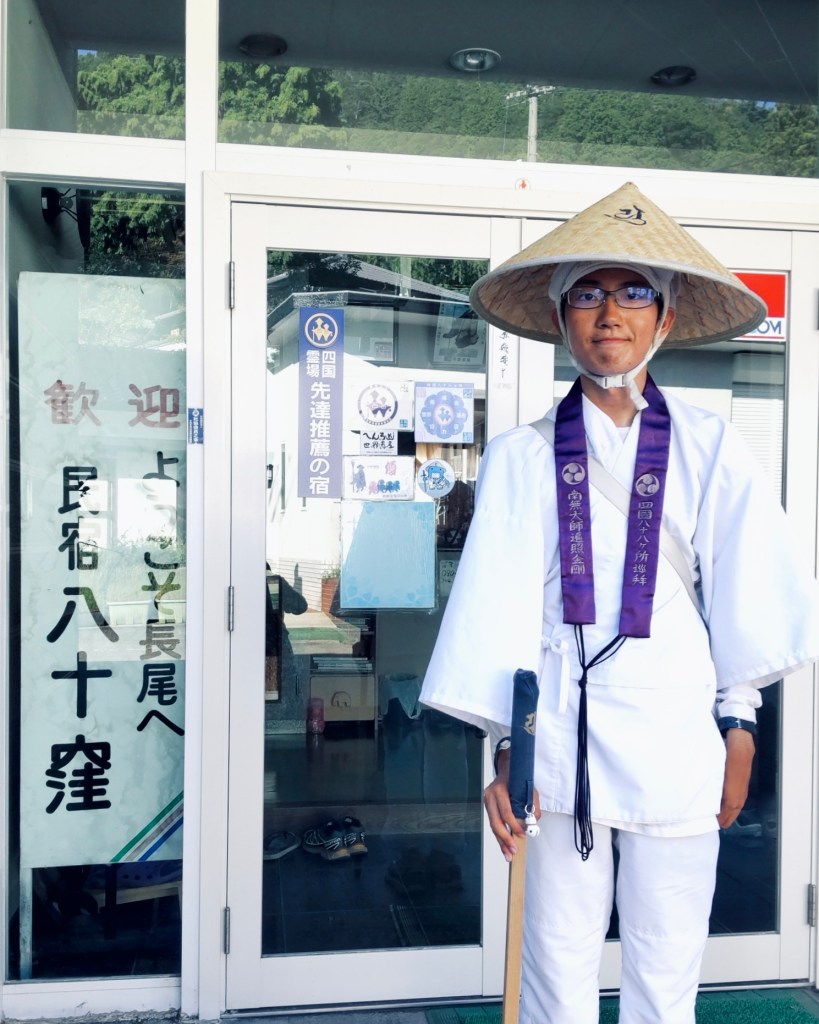
Under the midday sun in Kochi, Kouki tightens the straps of his backpack and checks the stamp book in his hands, making sure nothing is missing. His shoes are dusty and sweat runs down his face as he steps out of the temple gate and back onto the road. With just a few clothes and some money, he confidently took his first steps toward the next temple.
“My feeling changes as I move from one temple to another. I feel it getting stronger instead of giving up from all the sweat,” said Kouki Kadota, a 4th year student from Kochi University. His heart fills with determination to do things most people aren’t willing to do.
More than a religious tradition, the Shikoku 88-Temple Pilgrimage in Kochi shows the growing disconnect between a path that was once structured in everyday life and a present reality in which residents no longer feel they have the time, need, or reason to walk it.
In Kochi, there are long rural stretches, family-run inns, and small temple communities that have historically relied on the steady flow of pilgrims. However, the drop in tourism since COVID has quietly hurt social ties and local economies that were never meant to handle this kind of situation. As Ohenro becomes something residents observe rather than participate in, it risks turning into a cultural symbol mainly for visitors, not a living part of local life.
Meanwhile, the mental, social, and economic benefits of walking even short sections remain largely invisible in daily life, making participation feel costly and unnecessary. What is at stake in Kochi is not whether the pilgrimage still exists, but whether it can continue as a living tradition that supports community and meaning in today’s society.
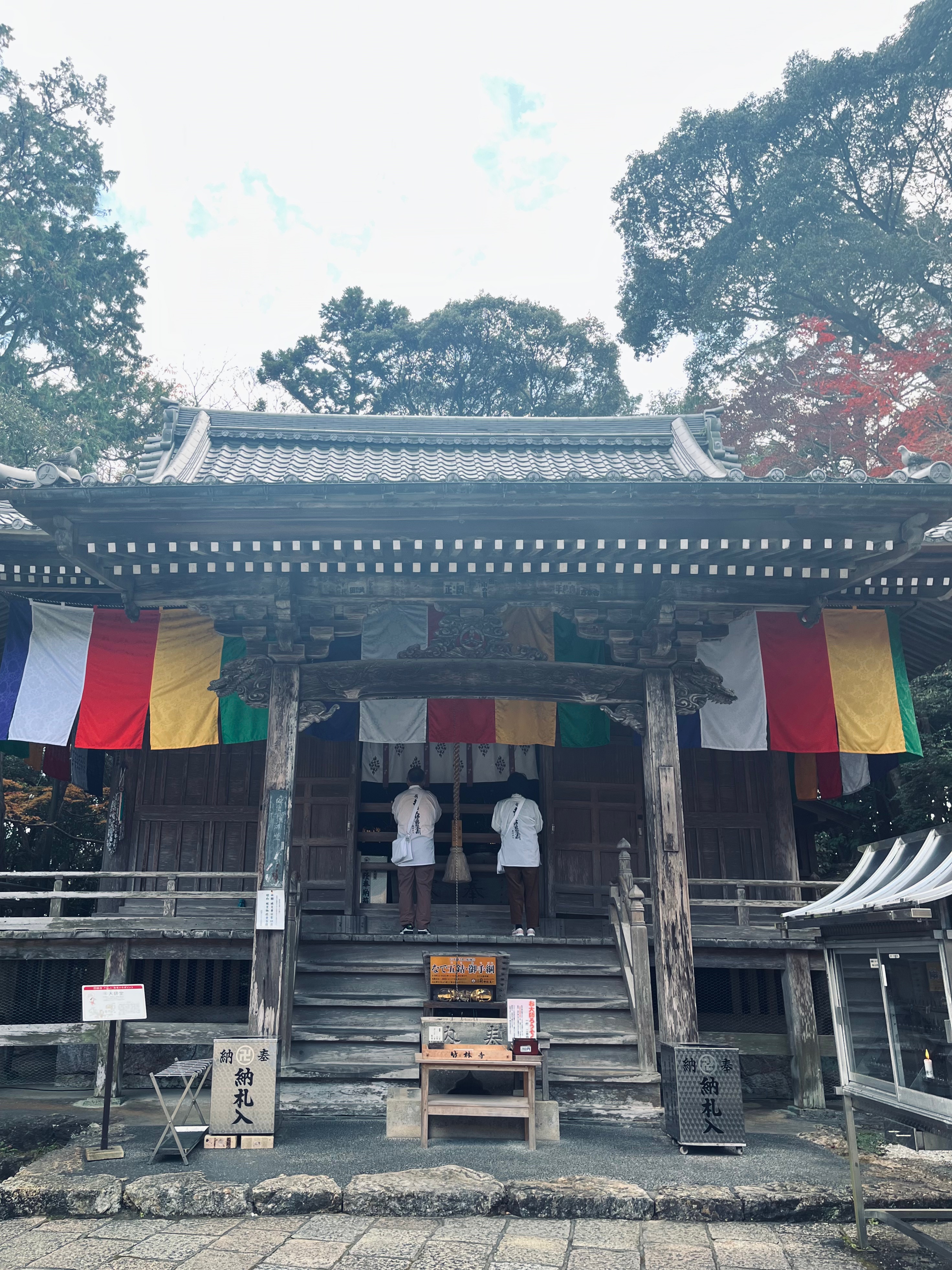
Sometimes, while walking around Kochi Prefecture, we often see people wearing white “hakui” vests with a straw hat called “sugegasa” or a wooden stick called “kongozue.” This scene looks fresh and unique, especially when the traditional and old style is combined with the tall buildings around Kochi City. Yet it is considered normal for Shikoku people, as it has been practiced for thousands of years.
“Why are they walking around the city in clothes that look like they just came from the top of the mountain?” This is a view people normally see when they are visiting Kochi around the spring and fall seasons.
These are the clothes that pilgrims usually wear when they are on the journey of Ohenro. They are in the middle of a visit to each temple in Shikoku, and the road they were walking on just happened to be in the middle of the city.
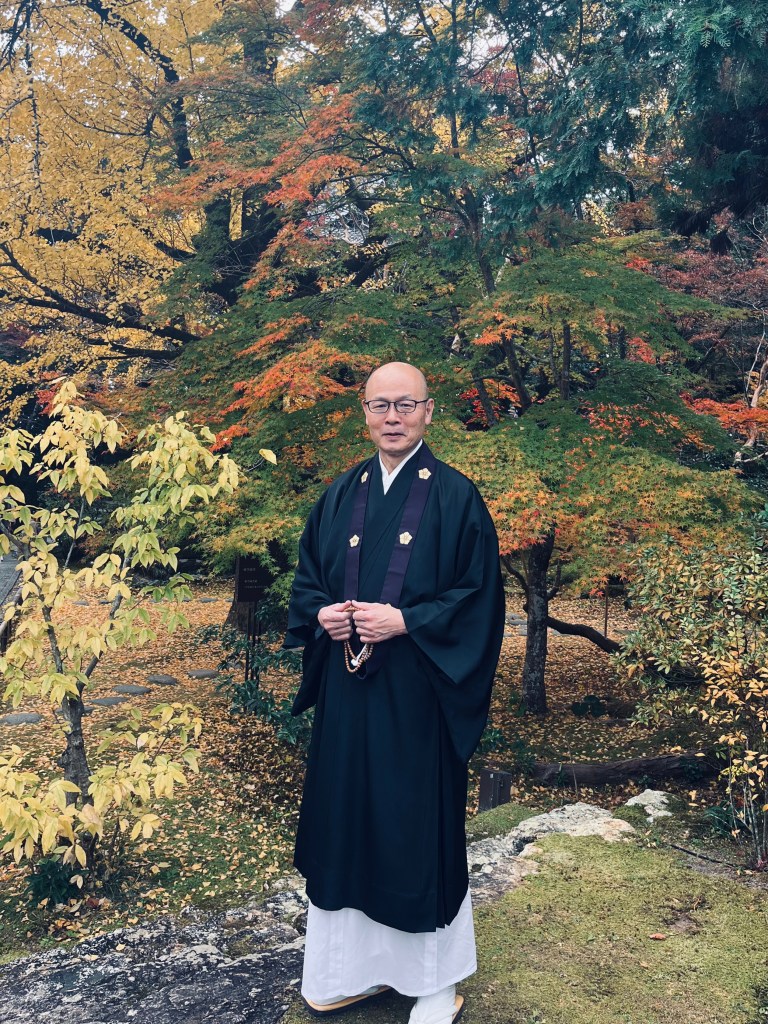
The 31st temple of the Shikoku 88 Temple Pilgrimage is Chikurinji, located in Kochi Prefecture. The head priest of Chikurinji, Washu Ebizuka, once completed the entire Shikoku pilgrimage as part of his training before becoming a priest.
“I realized how small I am.”
Walking about 1,200 kilometers with only his body and minimal belongings was extremely demanding. On rainy days he suffered from cold wind. On mountain paths, he struggled to find food and a place to sleep, things he usually does not bother to think about in everyday situations. Through this difficulty, he began to appreciate simple things in life.
Yet it was under these harsh conditions that he discovered a deep sense of “gratitude toward all living things.” One important reason for this is osettai, the custom of local people offering food, shelter, or kind words to pilgrims.
While walking on the pilgrimage, Kochi people would stop by and give food and drink. This is not a way to show sympathy, but a tradition that passed down from one generation to another. Afte all, being helped by a stranger in the middle of the road is an experience we can’t easily find, even when traveling to other places.
“Ohenro feels more heartwarming than anything,” said Mr. Ebizuka when being asked about what he feels when he experiences osettai.
“You will understand what I mean once you experience Ohenro.” The experience is priceless that even words are not enough to express his feelings of gratitude to the local people.
Mr. Ebizuka explains that in everyday life, people rarely notice how blessed they are. The Shikoku pilgrimage has continued for centuries, supported by beautiful nature and a deeply rooted osettai among local communities.
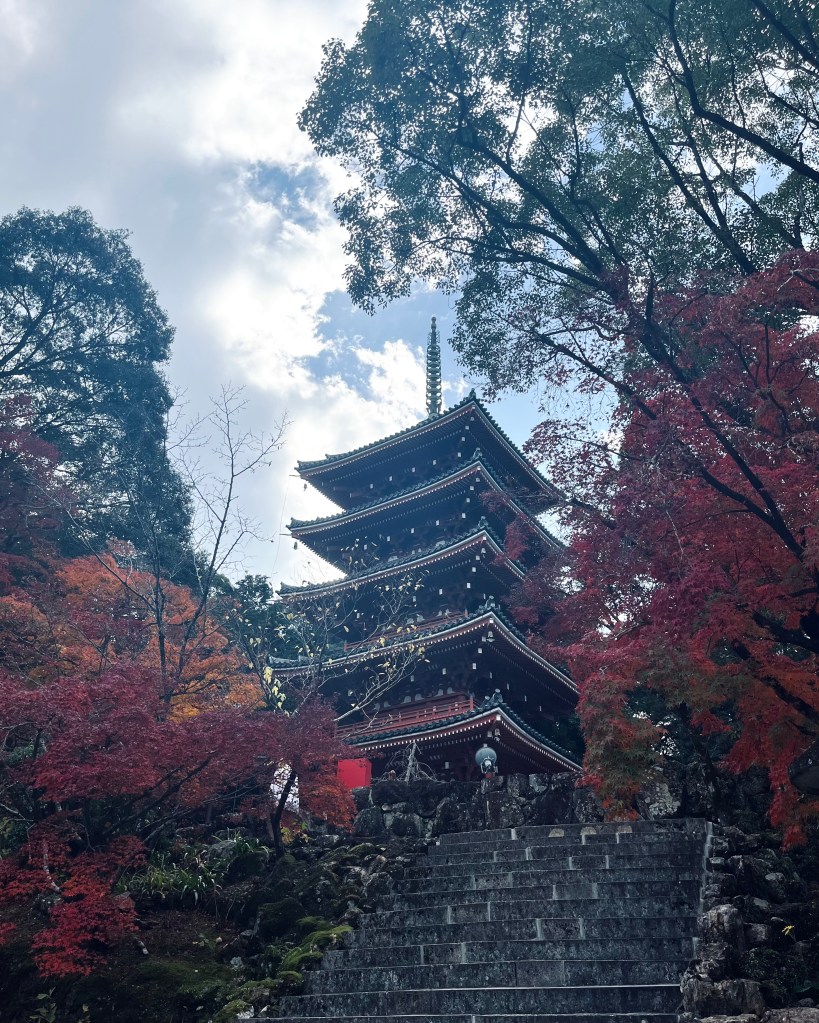
“I want Chikurinji to be a place where pilgrims can take a breath, relax, and release their tension along Kochi’s difficult roads,” he said while talking about his experience. Having walked the same path himself, his heart felt a sense of responsibility to continue making Chikurinji as “a place of belonging” for all people visiting.
Kouki Kadota, a student at Kochi University, completed the Shikoku Pilgrimage two years ago. He belongs to the Faculty of Agriculture and Marine Sciences, where he studies fish nutrition and aquaculture feed. One may wonder why a university student focused on marine research decided to undertake such a demanding journey.
Mr. Kadota first learned about the Shikoku pilgrimage when he was a high school student. Originally from Hyogo Prefecture, he was thinking of entering Kochi university and began researching things related to Kochi Prefecture. Through this process, he discovered the pilgrimage and gradually became interested in Shikoku’s traditional culture. He hoped that one day he could travel around Shikoku as Ohenro-san.
Nowadays, ohenro is not about the part of monk training but it is also a way for people to find peace within themselves and for others as a form of exercise. He amazes how this ancient tradition still survives in this modern world.
In the summer of his second year at university, he finally decided to begin the pilgrimage during summer vacation. His strongest motivation was the desire to “change my weak self.” Feeling mentally fragile at the time, Mr. Kadota chose to walk the entire route alone for over 35 days.
“Never give up” and “if I quit here, I lose.” He repeated these quotes to himself throughout the journey. This mindset led to his major mental transformation.
“Nothing will ever be harder than this.” Mr. Kadota said while recollecting his experience. Thanks to the pilgrimage, he gained a strong and resilient mind, which now helps him stay determined even during the toughest days of his research life.
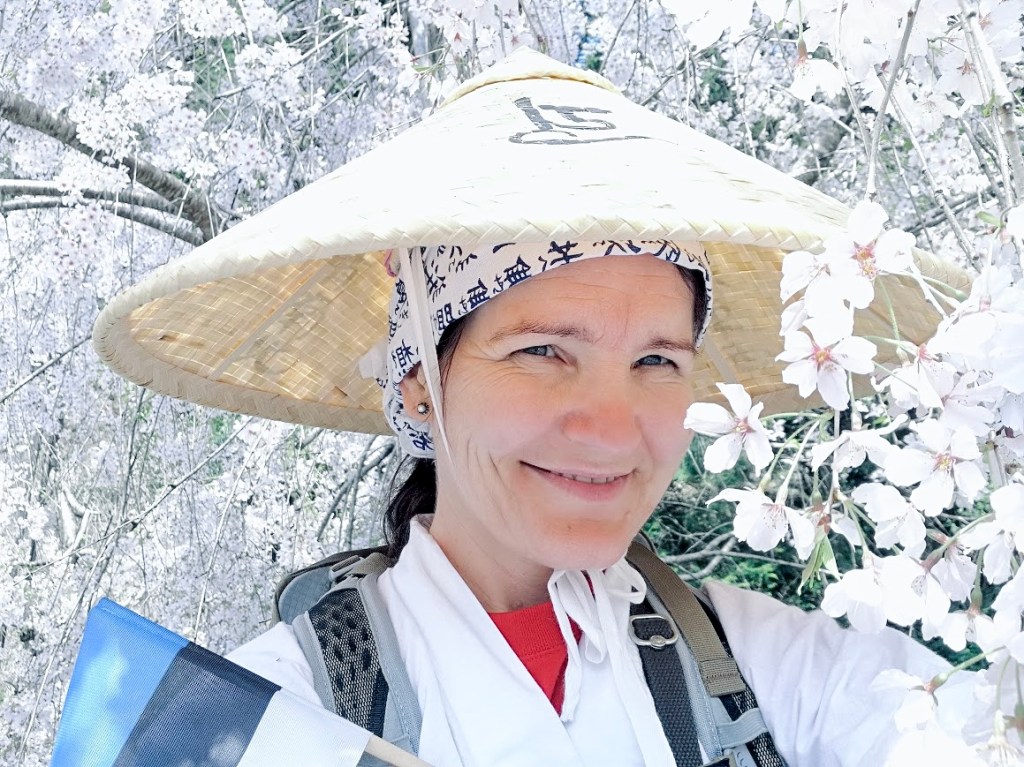
For Merike Villard, a pilgrim from Estonia who now lives in Japan, the decision to take part in the Shikoku Ohenro did not come from a desire to travel. Instead, it grew from a sense of searching.
When she first heard about the pilgrimage in 2018, Ohenro did not appear to her as a cultural attraction. It felt unfamiliar and slightly unsettling.
“A little bit mad,” Villard said. “I didn’t do it for sightseeing,” she continued, “it was spiritual.”
Although she does not follow a specific religion, Villard felt drawn to the way Buddhism and Shintoism are intertwined in Japan. Before beginning her journey, she spent time learning and reflecting. She approached Ohenro not as a physical challenge, but as an inward process.
“Ohenro,” she said, “is a very good opportunity to meet yourself.”
Despite having studied Japanese culture for more than 15 years, Villard found that Ohenro required a different kind of understanding. Familiar customs became more meaningful once she was on the path. Progress depended less on planning and more on trust. Trust in the journey, in nature, and in the moments beyond personal control.
One such moment came near Temple 66 during an early morning climb in the rain. Hungry and exhausted, Villard reached the top and encountered unexpected kindness. A stranger offered her food. It was a banana. The gesture was small and unplanned, but it stayed with her.
“I felt very grateful,” she recalled.
For Villard, Ohenro revealed itself through these quiet encounters. The journey was shaped not by distance covered, but by attention, vulnerability, and presence along the way.
Kadota explained that the Shikoku Ohenro was never framed as an economic act. For him, it was a personal journey that unfolded through long days, modest accommodations, and meals taken wherever the path ended.
Over the course of the pilgrimage, Kadota paid for food, local transportation, and simple lodgings. None of these expenses felt significant on their own. They were practical choices made out of necessity.
Yet those small, repeated decisions mattered. Nights spent in local inns, meals at family-run restaurants, and purchases from neighborhood shops formed a steady rhythm. Together, they quietly supported the economy across Kochi Prefecture.
Unlike urban tourism, which concentrates spending in a few central areas, the Ohenro route moves pilgrims through quieter towns and rural communities. In these places, each visitor matters.
Kadota also described the journey as accessible, though far from comfortable. The physical effort and length of the pilgrimage often require pilgrims to stay longer, rest more often, and rely on local services.
Only after completing the journey did he begin to reflect on its wider impact. What felt like ordinary survival on the road had supported local economies without him ever intending to do so.
In recent years, bus tours for Ohenro have become more popular. They are especially appealing to people with limited time or physical strength. These tours allow participants to visit many temples in a short period of time. They represent a modernized way of experiencing Ohenro.
However, for those who wish to experience the traditional spirit of Ohenro more deeply, walking is often recommended. Walking allows pilgrims to feel the distance between temples, reflect on their thoughts, and connect closely with the history of the route.
In this way, Ohenro welcomes a wide range of pilgrimages with different goals and approaches as there is no single proper way to complete it. The process itself is what matters. This openness is one of the reasons why Ohenro continues to support and inspire people across generations.
Late in the afternoon, the road outside the temple grows quiet. No footsteps pass. The white vests are gone. Only the wind moves through the trees along the path leading to the next temple.
Kouki Kadota finished his walk a long time ago. The stamp book now rests on the shelf, slowly gathering dust. But the road he once followed remains, stretching through Kochi’s towns, fields, and mountains.
Tomorrow, another pilgrim will arrive. They will tighten their backpack and step forward. For now, the path waits, empty, unchanged, and carrying the traces of those who have already walked it.
 Life in Kochi
Kochi is such a beautiful place, there are lots of mountains, rivers, and temple. It’s really fascinating that people come to Kochi not just to enjoy the sightseeing of nature, but also feeding their spiritual journey. I learn a lot about Ohenro from this story. By the way, I really loves how the story is told in this article. People need to come and visit Kochi ASAP!
LikeLike
It’s so interesting story about Ohenro which is historical religion be connected so long ago. I hardly pilgrimage Ohenro as usuall since I don’t have a car and I seldom go out of Kochi city so, I’m so glad to know about this story. I want to go to pilgrimage while I am in Shikoku.
LikeLike
I really enjoyed reading about the different perspectives on the pilgrimage. It’s make me amaze about how a 1,200km walk can teach someone so much about gratitude and life 😲✨
LikeLiked by 1 person
It amazes me how beautiful the concept of Ohenro itself. One can find themselves and can understand what a simple things is. A great way and tradition that makes Kochi more interesting.
LikeLike
I noticed thans through Ohenro, they can feel heart-warming by local people. If i have chance, I want to try Ohenro!
LikeLike
I prefer to go to the temple and shrine because I can feel silent in my mind and like be able to talk with myself under the deep my heart. I never go Ohenro ever. I learn many people try that, and they get a lot of things. Thank you for your nice article.
LikeLike
It is interesting to me because I am not from Shikoku. I learn many things about ohenro from this article. Thank you.
LikeLike
My hometown also has a temple, and I often spot Ohenro-san there. Each Ohenro-san had their own story, and I was deeply moved.
LikeLike
Such a interesting article!
I’ve seen many Ohenro but I didn’t know the Ohenro situation. I enjoyed reading each story related to Ohenro and I want to try Ohenro sometime.
LikeLike