
By Yuma
The sounds of Naruko and music can be heard from afar as university students practice YOSAKOI dance in the main street at Kochi University. Around one hundred students are learning the dance in preparation for this year’s main festival. The instructor demonstrates the dance steps, and the students practice as the tempo of the song increases. They repeat the routine until they have perfected the choreography.
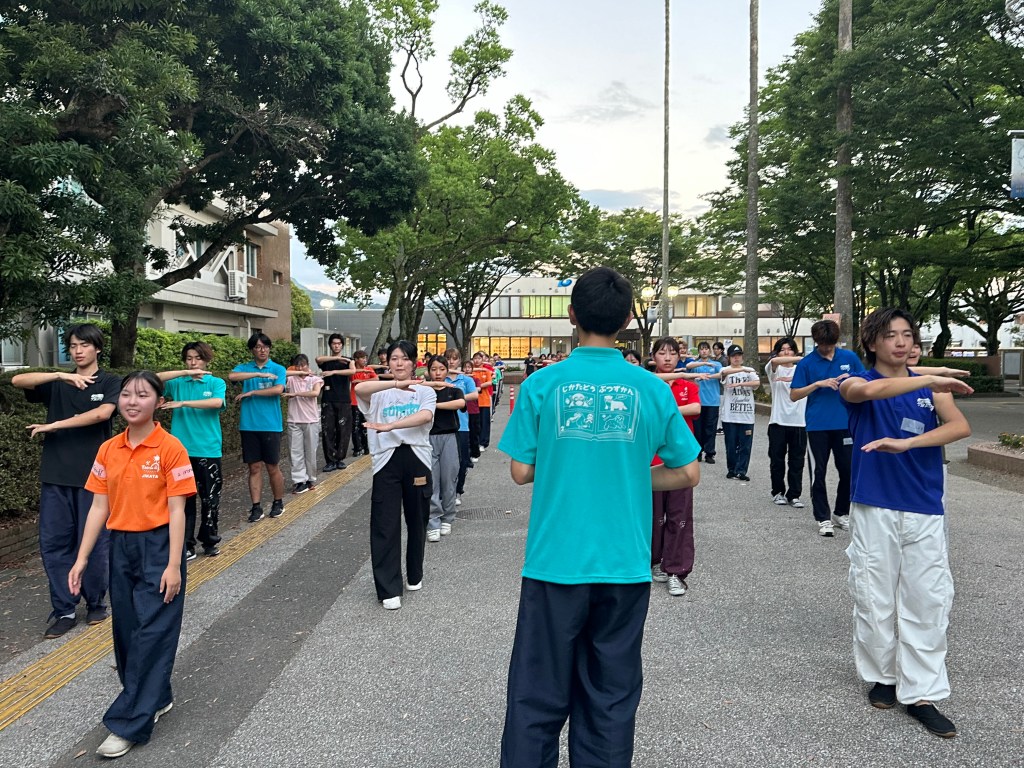
“It is very tiring, but it’s also a lot of fun!” says a first-year student. “This is my first time dancing YOSAKOI, so I want to enjoy the entire process.”
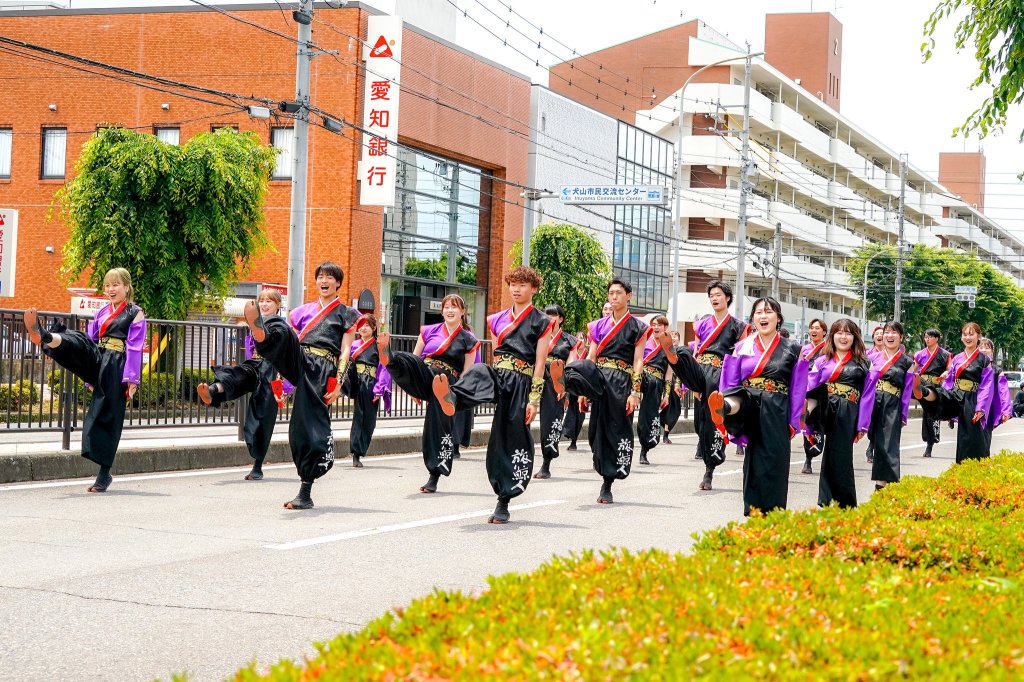
YOSAKOI is a traditional Japanese dance with roots in the Tosa dialect, where “come at night” evolves into “Yosakoi.” The dance is vibrant and performed by large groups, distinguishing it from other dances primarily because it takes place on the streets, which are often used for vehicular traffic. Another unique feature is the use of Naruko, traditional Japanese clappers originally designed to scare birds away from crops. In Kochi, where double cropping is common, the Naruko was adapted into a dance instrument to compete with Tokushima Prefecture’s Awa Odori dance.
Each summer, Kochi hosts the YOSAKOI Festival, the largest dance festival in the region. Teams from both within Kochi and other prefectures take part, performing across various locations over two days. Last year, 156 teams participated, with 56 coming from outside Kochi. The streets of Obiyamachi and Outesuji are packed with spectators, making the festival a key event for tourism in Kochi.
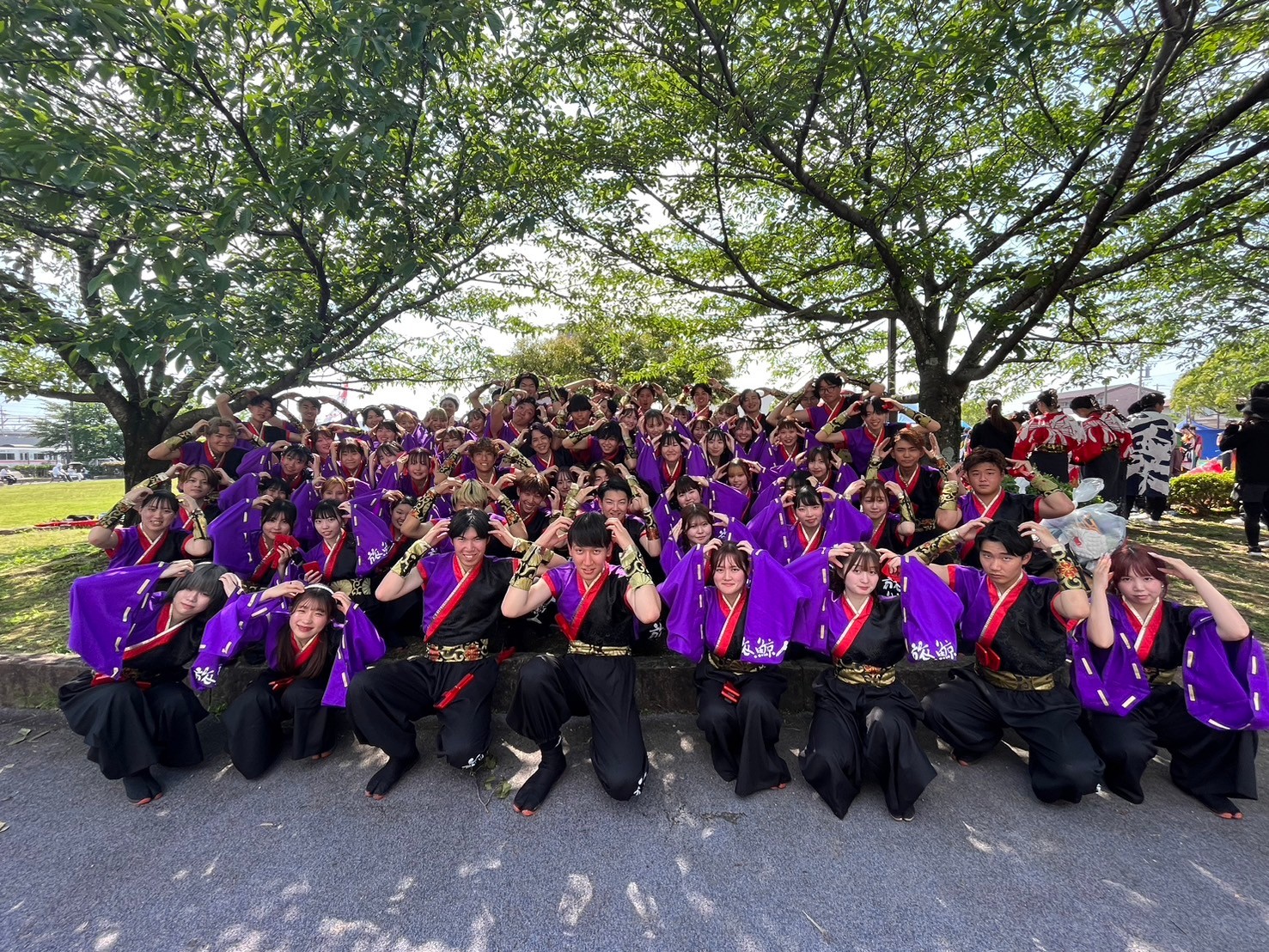
Tabigeinin, a prominent YOSAKOI team, consists mainly of students from Kochi University and Kochi Prefectural University. Established as the oldest student team, Tabigeinin operates with the support of local adults.
To prepare for the festival, students undertake several key roles:
Choreography Group: This group creates and teaches the dance routines. They design the choreography by referencing past performances and other teams’ routines. The head of this group states, “Our goal is to help everyone improve their choreography so that we can do so in the most beautiful way at the festival.”
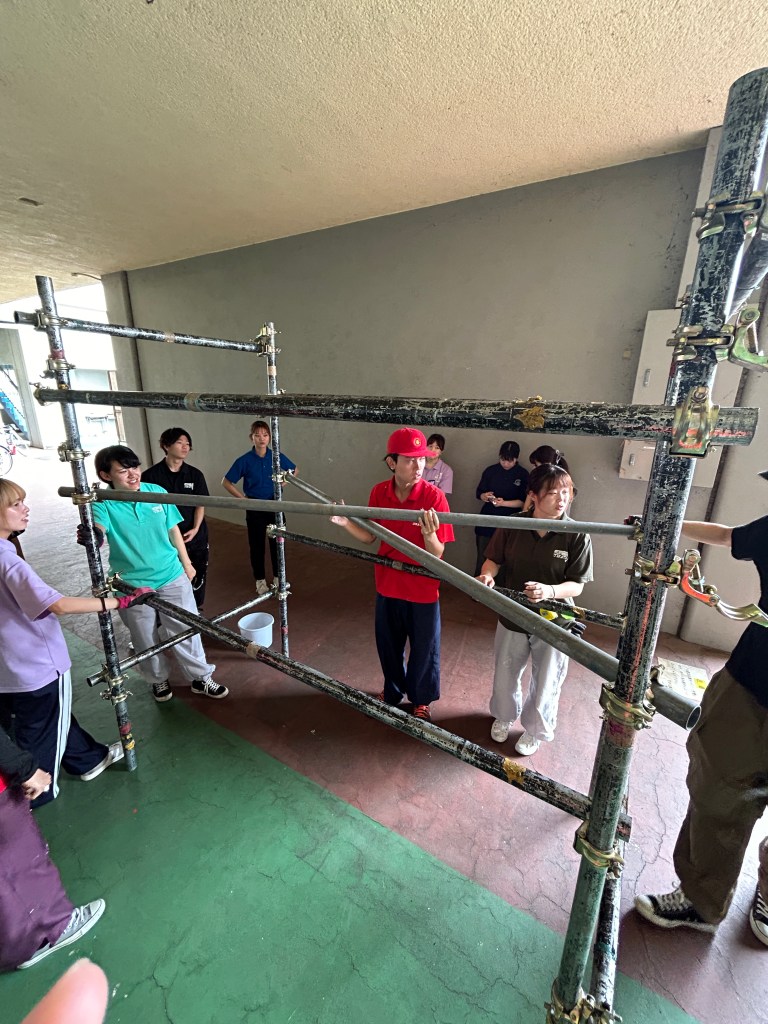
Jikata Team: This team is responsible for building the jikata truck, which leads the dancers and plays music. While an adult drives the truck, students handle the truck’s preparation in collaboration with a rental company.
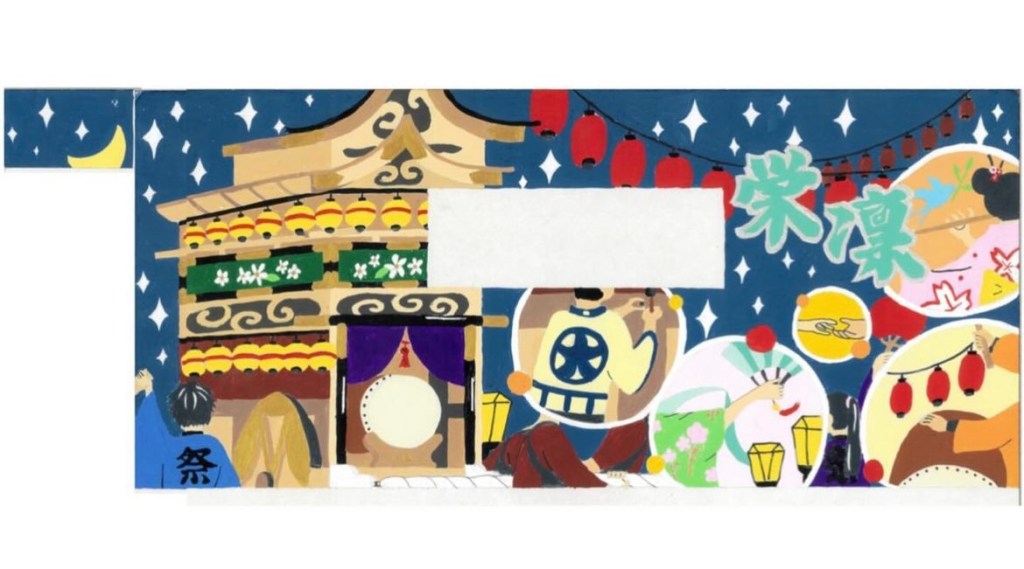
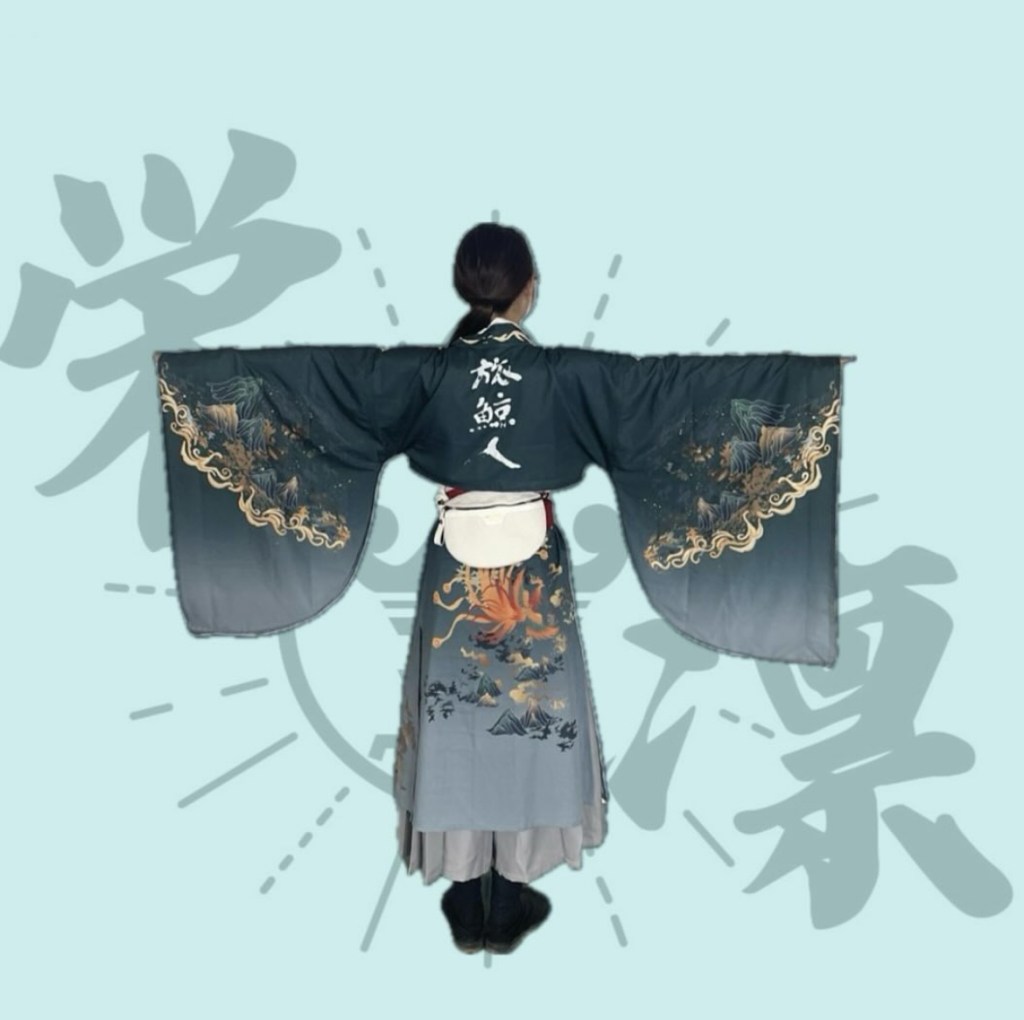
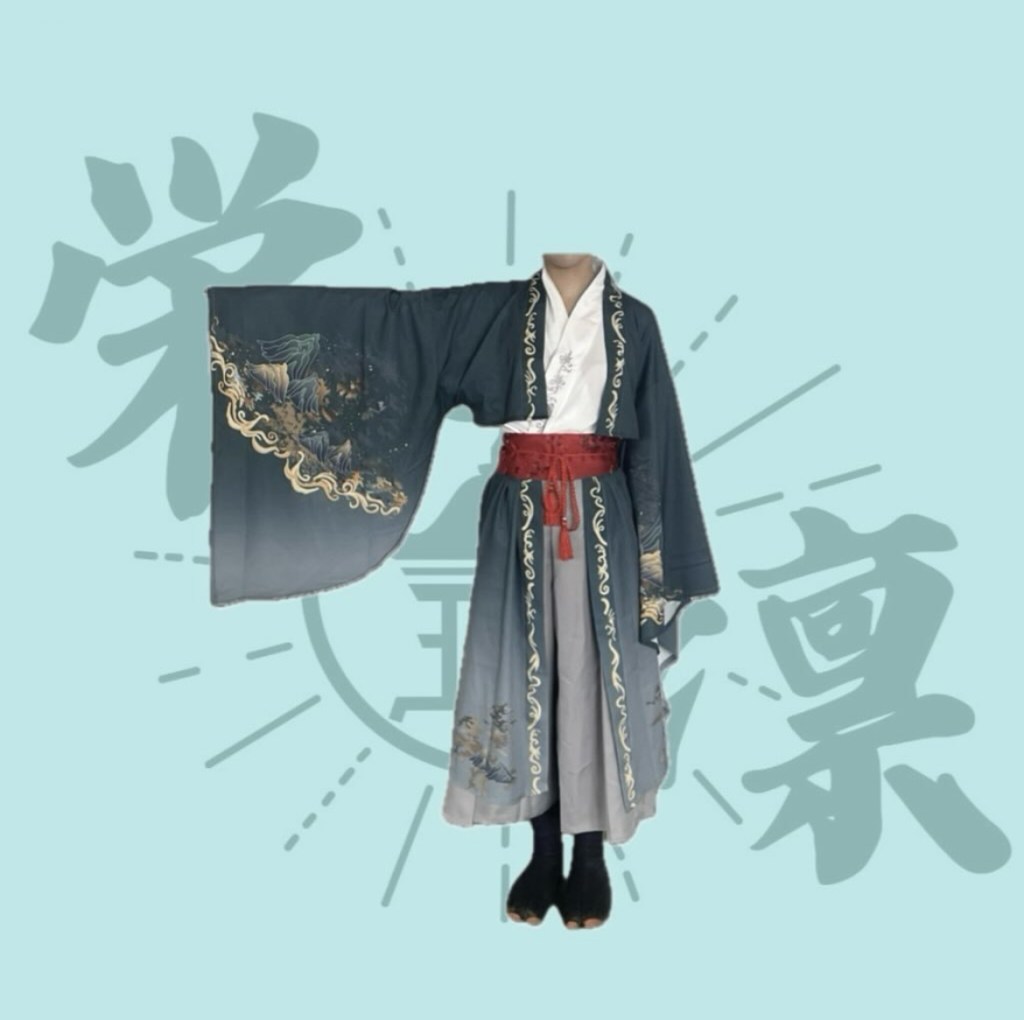
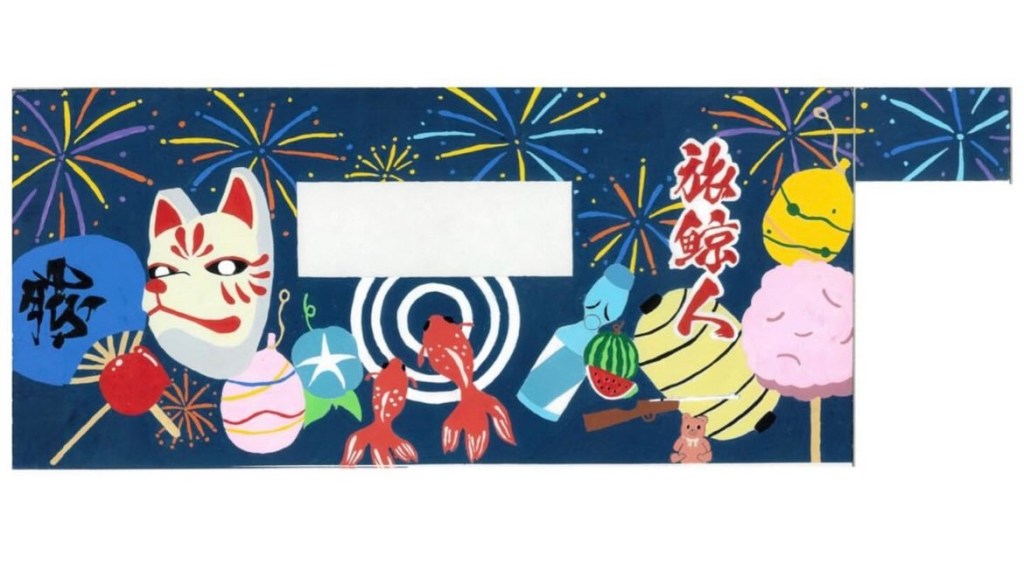
Sponsorship and Funding: This team manages sponsorship and fundraising. Since Tabigeinin does not have corporate backing, they rely on various sponsorships and crowdfunding to cover costs for costumes and other expenses. They also handle their own costume design and music composition, working with professionals like Mr. Yamaoka, who has been creating YOSAKOI music for years.
Event Team: This group plans the schedule of movements and breaks during the festival, coordinating logistics as the YOSAKOI Committee sets performance times and locations.
During the COVID-19 pandemic, the YOSAKOI Festival was canceled in 2020 and 2021. In 2020, the team adapted by performing in a winter event with mouth shields. In 2021, they produced a promotional video instead of participating in the main festival, using saved funds for this purpose. The festival resumed in 2022, allowing Tabigeinin to do so safely.
Looking ahead, this year’s theme for Tabigeinin is “Eirin,” inspired by historical festivals. Notably, they are using Naruko with two sound parts for the first time, a challenging but exciting change. Preparations for next year, which marks Tabigeinin’s 30th anniversary, are already underway, promising a significant celebration.
The YOSAKOI Festival is crucial for Kochi, a city located beyond the Seto Inland Sea and Shikoku Mountains with a small population. The festival attracts participants, families, and YOSAKOI enthusiasts, ensuring the dance’s continued popularity. The rise of social media also helps spread the festival’s reach, showcasing YOSAKOI to a broader audience and aiding in its preservation.
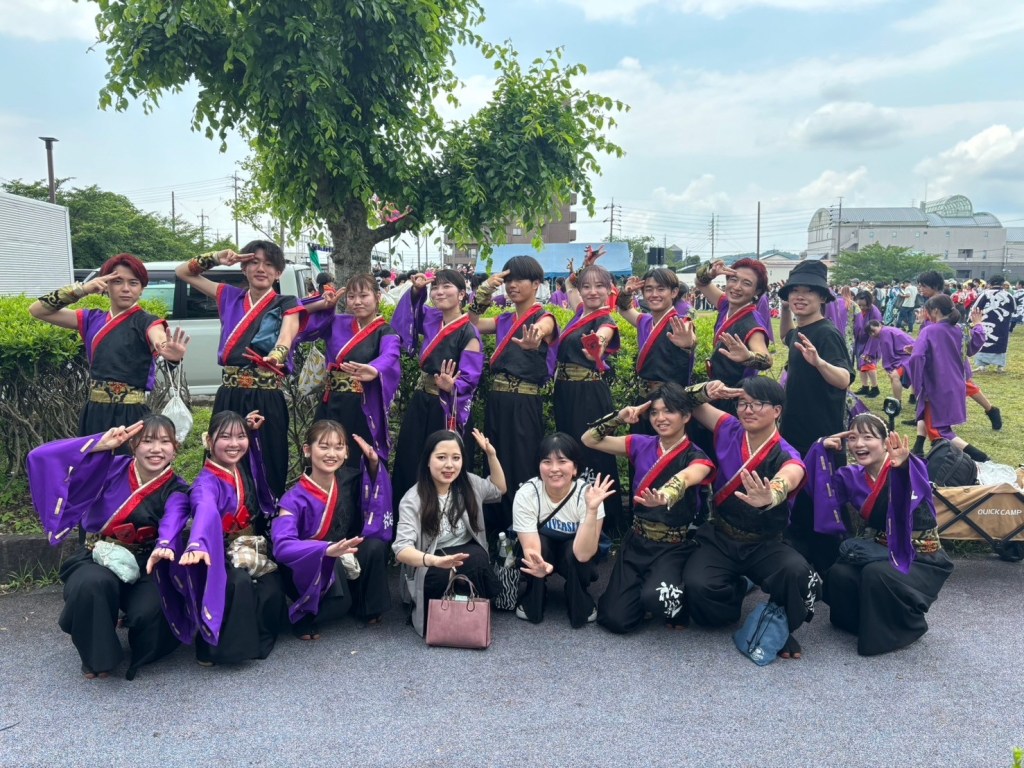
Tabigeinin’s ability to innovate while maintaining its traditions is a testament to its enduring appeal. With 189 teams now registered for this year’s festival, an increase from last year, the team’s long-standing experience promises another outstanding performance.
 Life in Kochi
Wow! That’s great! I have never heard that Tabigeinin is the oldest Yosakoi team by students. I hope that Yosakoi spreads to the world more and more, too. I am looking forward to seeing Tabigeinin’s performance! Do your best and enjoy Yosakoi days and don’t give in to the heat!
LikeLike
I already know the Yosakoi but I surprised that the many part of diffrences from other Yosakoi team. I thought that the characteristics of each team were utilized and it was very colorful and amazing!
I heard from my Yosakoi friends that “work for jikata” is very hard. Every friends must stay up late and doing hard work even it’s a hot day.
Only things that I can is to cheer you, but I’m very happy to see you in this hottest summer!!
Please do your best! and good luck with all of your Yosakoi teams!
LikeLike
Thank you for teaching about your Yosakoi team. Even though I’m from Kochi, I didn’t know how to manage a Yosakoi team. About a hundred people have tried to succeed for two days. As the audience, time to see Yosakoi is spent so quickly, but it is filled with the effort of countless people. I hope all the people booming Yosakoi will enjoy the moment with their fellows.
LikeLike
Great!! I was dancing YOSAKOI last year and I saw special Jikata track. I impressed it. I learned activity of Jicata team is so hard from you.
Please try your best and enjoy the Yosakoi festival !!
Good luck!!!
LikeLike
Honestly, I’ve never been to see the Yosakoi festival, I’m living Kochi 20 years though. But I always feel that Yosakoi teams’s effort and new idea are surprising and really cool. I’m glad to hear that Yosakoi loved by not only Kochi people but people from other prefectures. I hope you can enjoy your Yosakoi dance, good luck!
LikeLike
A lot of work goes into to each year’s dance. Thanks for the look behind the scenes!
LikeLike