
By Yamamoto Minako
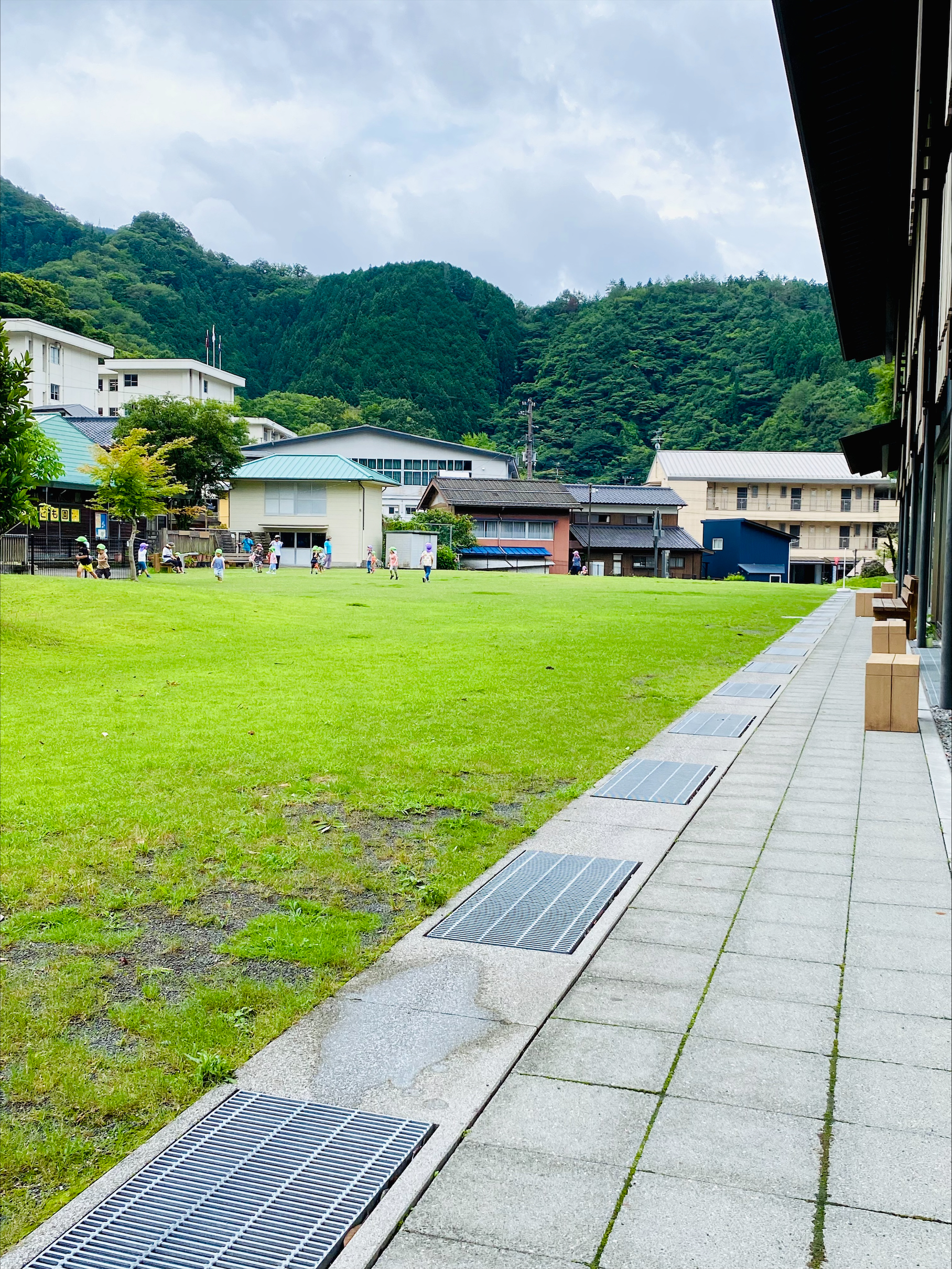
“Ganbare, ganbare,” a little 3-year-old says to his friends, using the typical Japanese words of encouragement. They play tag, wearing matching purple hats, and he has just caught his target. “I got you, now you are it!” The sky is clear and blue, the sun shines brightly, and the smiles and happy laughter of children fill the air. Despite the boiling heat, everything is full of life and shining. This beautiful scene unfolds on the lawn in front of the library designed by Kengo Kuma, located in Yusuhara town in Kochi Prefecture. When Kuma built this library, he hoped it would be a good playground for children.
Yusuhara is an interesting town. It is a small part of western Kochi, taking two hours to reach from Kochi city. The town is blessed with beautiful rivers, starry skies, clean air, and forests covering 91 percent of the area. With a population of around 3,000, it may not be large, but it is full of life. Education, welfare, work, and history are all balanced harmoniously in Yusuhara. In such a town, Kengo Kuma’s architecture has a symbolic and significant presence. Kuma, one of Japan’s most famous architects, is known for designing the Japan National Stadium. In three years, a new hotel designed by him will be completed. Yusuhara seems to have a deep connection with him.
Yusuhara and Kengo Kuma first met in 1992. During Japan’s bubble economy, concrete construction was mainstream. Kuma, working in Tokyo as an architect, was part of this trend. However, after facing criticism for his innovative design of the Matsuda M2 building, his projects in Tokyo dwindled. It was then that his friend, Mr. Odani, brought him to Yusuhara for the preservation of Yusuharaza.
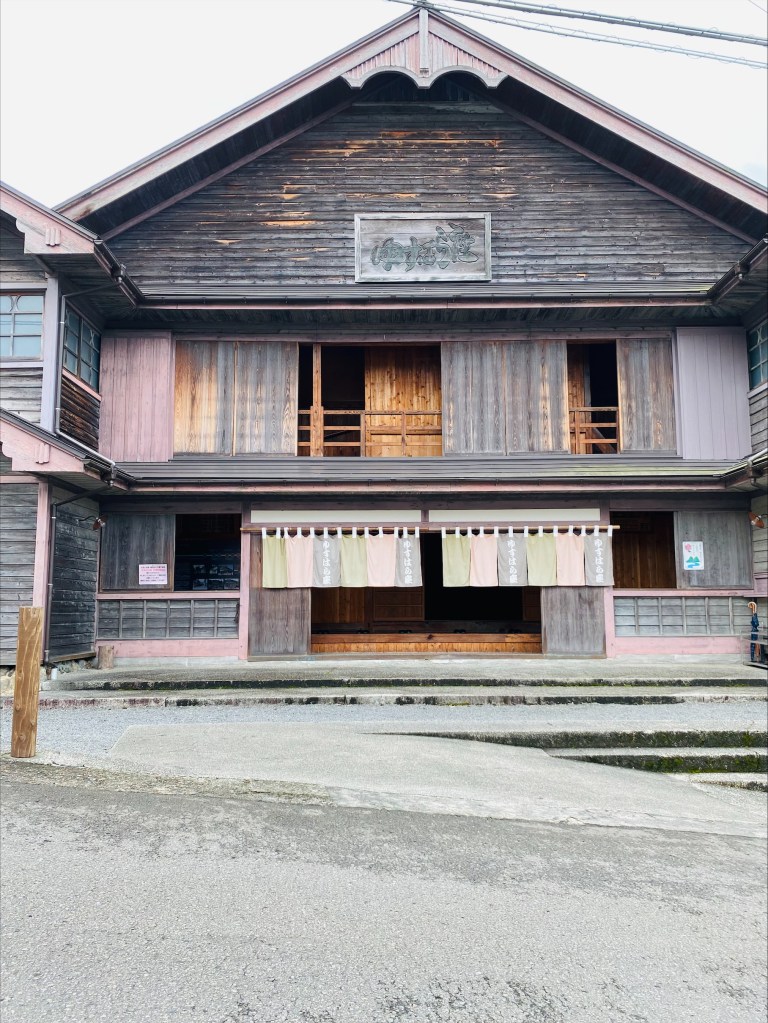
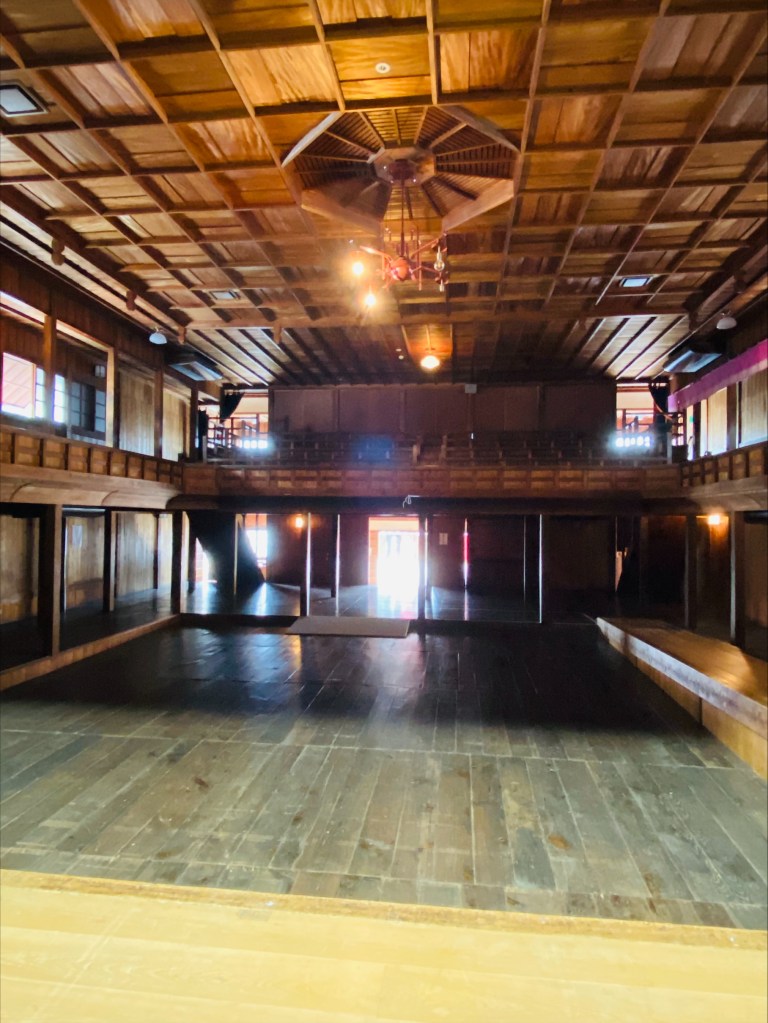
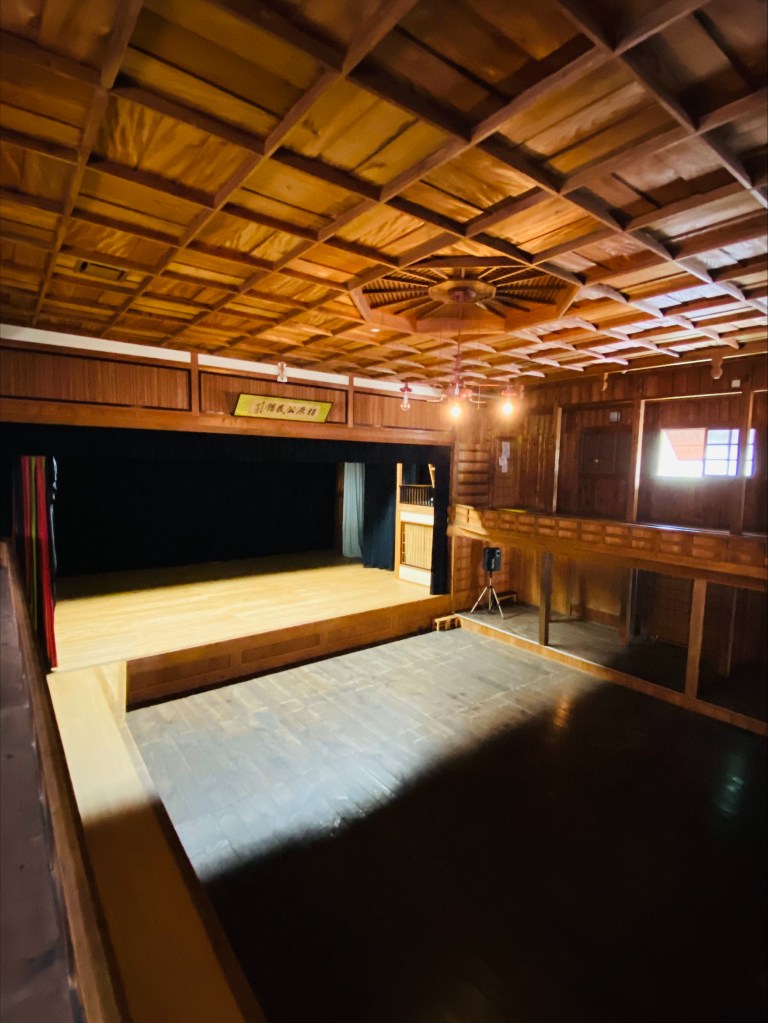
Yusuharaz is a wooden theater built in 1948, a beautiful structure incorporating a blend of Japanese and Western styles from the Taisho era. It was a popular place of entertainment for the townspeople, but its use declined over time, and in 1978 there was a proposal to demolish it. However, as the only wooden theater in the prefecture, the townspeople believed preserving Yusuharaza would also preserve Yusuhara’s history. Thanks to a preservation movement, the building was moved and restored to its current location in 1994. Mr. Odani, an architect from Kochi city involved in this preservation movement, invited Kuma to Yusuhara at that time. This visit marked the beginning of Kuma’s relationship with Yusuhara. He was so impressed by Yusuharaza’s splendor that he began building wooden structures.
Now, the town office, Marché, welfare facilities, and library are among Kuma’s various wooden buildings in Yusuhara. In 2027, his new hotel will replace the previous one. “The concept is ‘Welcome to Terminal,’” Mr. Yoshida, the town mayor, said. “This concept aims to make the hotel the first place where visitors can feel the atmosphere of Yusuhara, essentially serving as the town’s entrance.” The plan includes features that highlight Yusuhara’s unique characteristics and historical elements, such as a restaurant and roadside markets.
The benefits of building the hotel extend beyond tourism to the townspeople. It will create job opportunities and provide generous services as the economy is revitalized, helping to offset the loss of consumption within the region due to population decline.
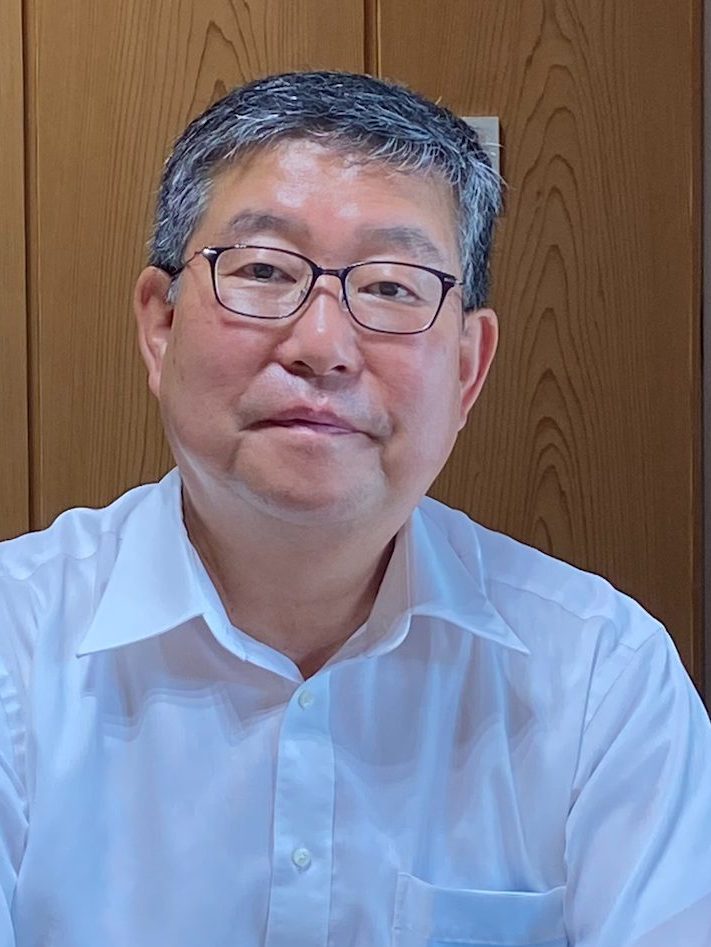
“I’m steering the ship toward a tourism policy,” mayor Yoshida said. “Through Kuma’s buildings, people will get to know Yusuhara and visit here.” He also envisions utilizing vacant houses and other facilities so the entire town will eventually become a hotel.
The connection between Kengo Kuma and Yusuhara reflects an attitude of valuing the good old things. In one interview, Kuma said, “Wooden architecture is the hint of architecture for the future.” The warmth of things that have remained unchanged allows people to feel the passage of time. This is the essence of modern architecture, and Yusuhara is a pioneer in this field. That makes Yusuhara a special place.
Each day adds a colorful stroke to Yusuhara’s history. From now on, Yusuhara will continue to attract visitors.


Thank you for teaching me about Yusuhara. I went there two years ago, but the library built by Kengo Kuma was closed. So I want to go there again and stay in a hotel filled with the history of Yusuhara.
LikeLike
It is great to have lots of parts for presence of Kuma’s architecture like the symbol of Yusuhara, library, playground for children, tourist spot, and artistic site which can feel modern. I was impressed with efforts by people in Yusuhara to revitalize the region. I know you are proud of Yusuhara. Wonderful!
LikeLike
It’s a remarkable little town. I’m looking forward to visiting again soon. Thanks.
LikeLike