
By Yamato
The sweat of effort flows and bears fruit. Children inspired by the spirit of the historical figure John Manjiro express their feelings on different topics yearly, using the language Mr. Manjiro loved—English. Their hopeful voices then echo around the room.
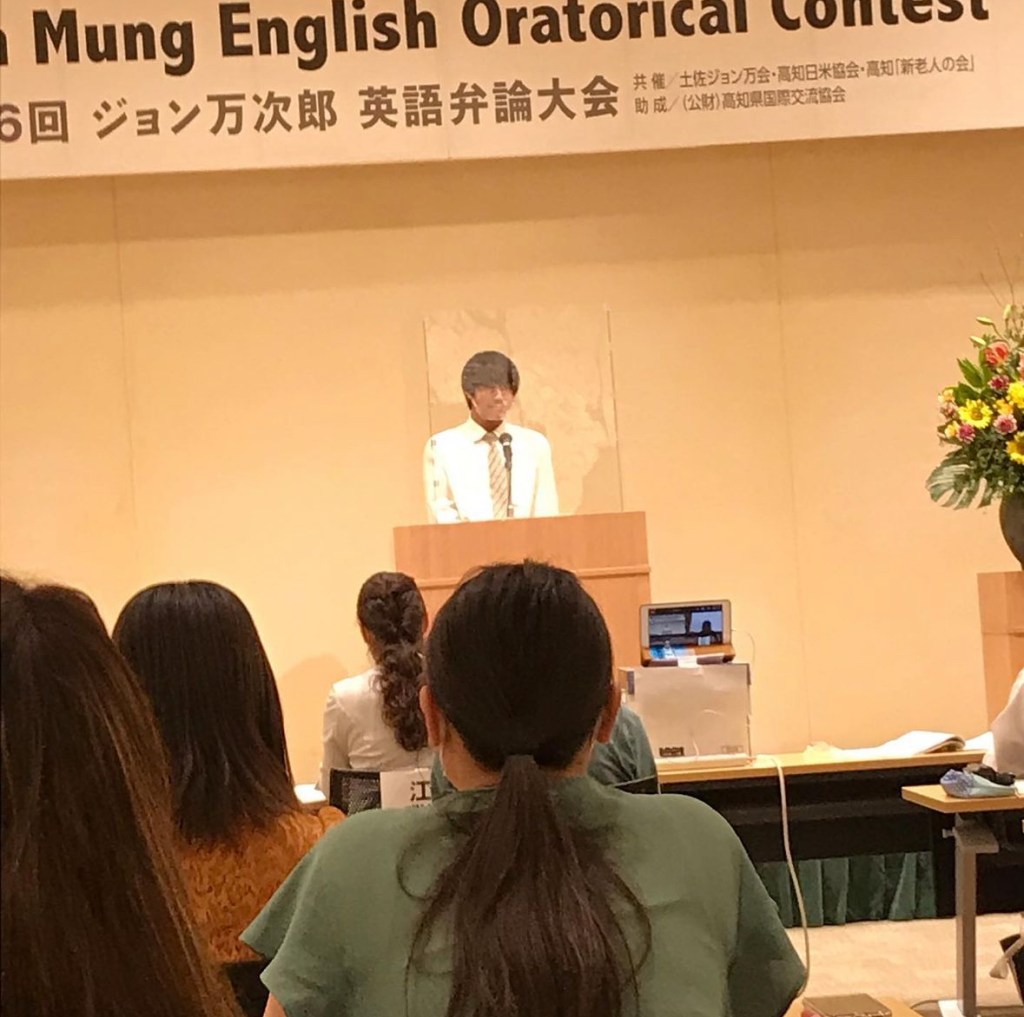
“I want to be an English teacher who can teach English as a communication tool and introduce foreign cultures to students. I think John Manjiro is a great leader on how to do this,” says one high school boy on stage. “I’m so proud that he was born in Kochi.”
John Manjiro carved his name in history as the first Japanese pioneer to travel to the United States. His remarkable life continues to inspire the local people towards greater heights through opportunities like John Mung Oratorical Contest, a competition aimed at encouraging students aged 13 to 18.
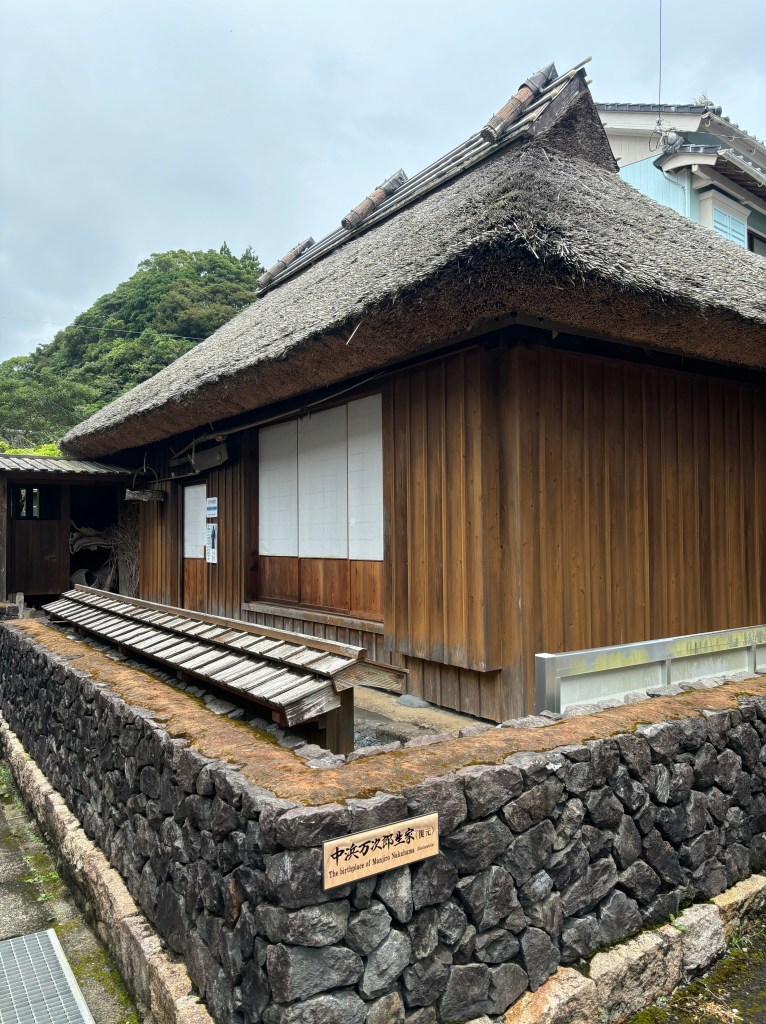
In 1827, Manjiro Nakahama, known as John Manjiro, was born as the second son in Tosashimizu City, located in the westernmost part of Kochi Prefecture. At 9 years old, his father passed away due to illness, and he worked hard at various jobs to support his mother and four siblings.
One day, while preparing a meal, Manjiro noticed an efficient way to remove rice husks by pounding the rice with stones. However, his employer became angry because adding stones would lower the quality of the rice. Frustrated, Manjiro ran away. Fortunately, during his escape, he met a fisherman, a profession that would profoundly impact his life.
“His life had a great beginning at this moment. But a significant development is about to happen from here,” says Mr. Uchida, chairman of Tosa John Mung Society, which organizes John Mung Oratorical Contest.
Beginning from Tragedy
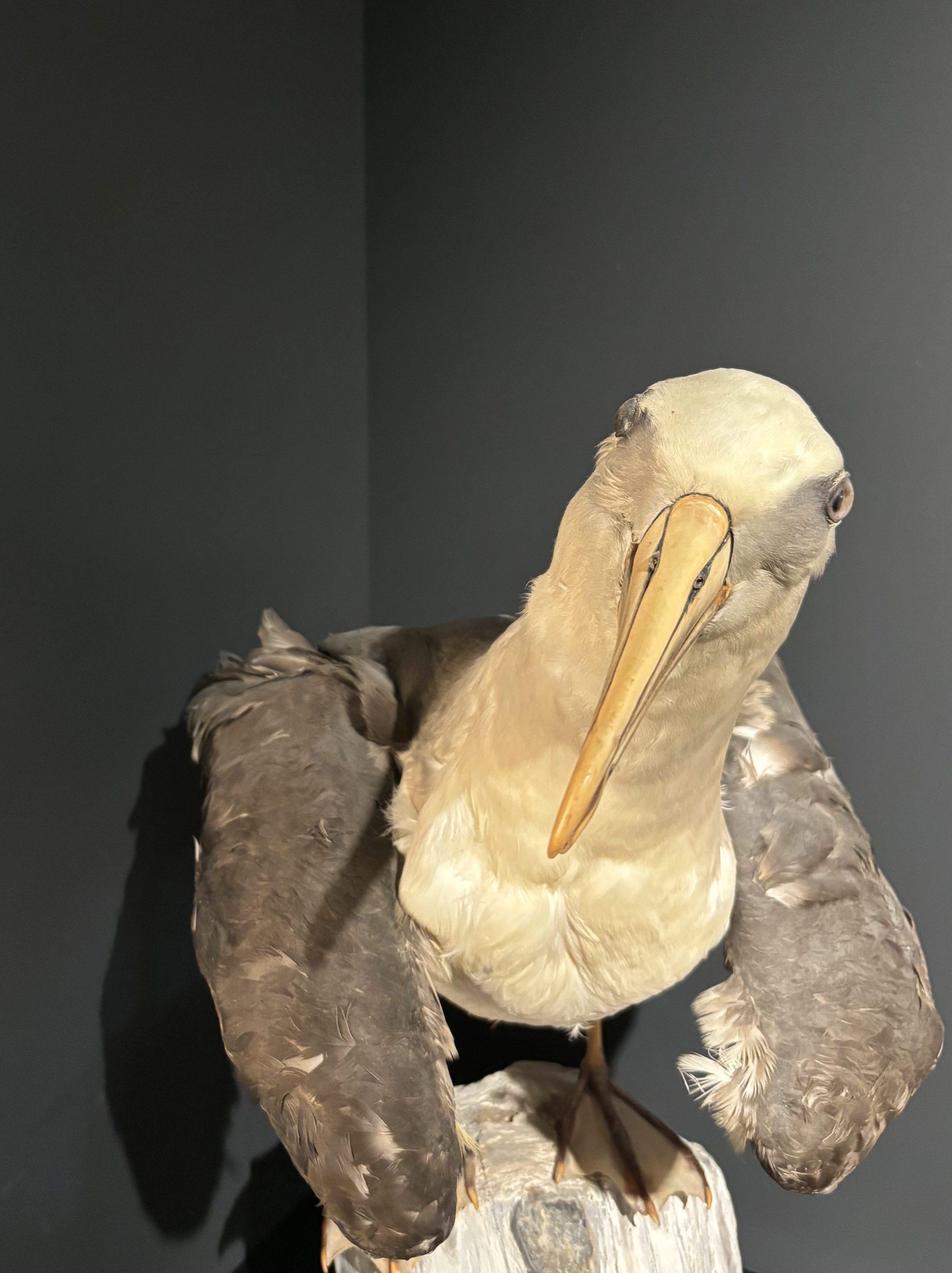
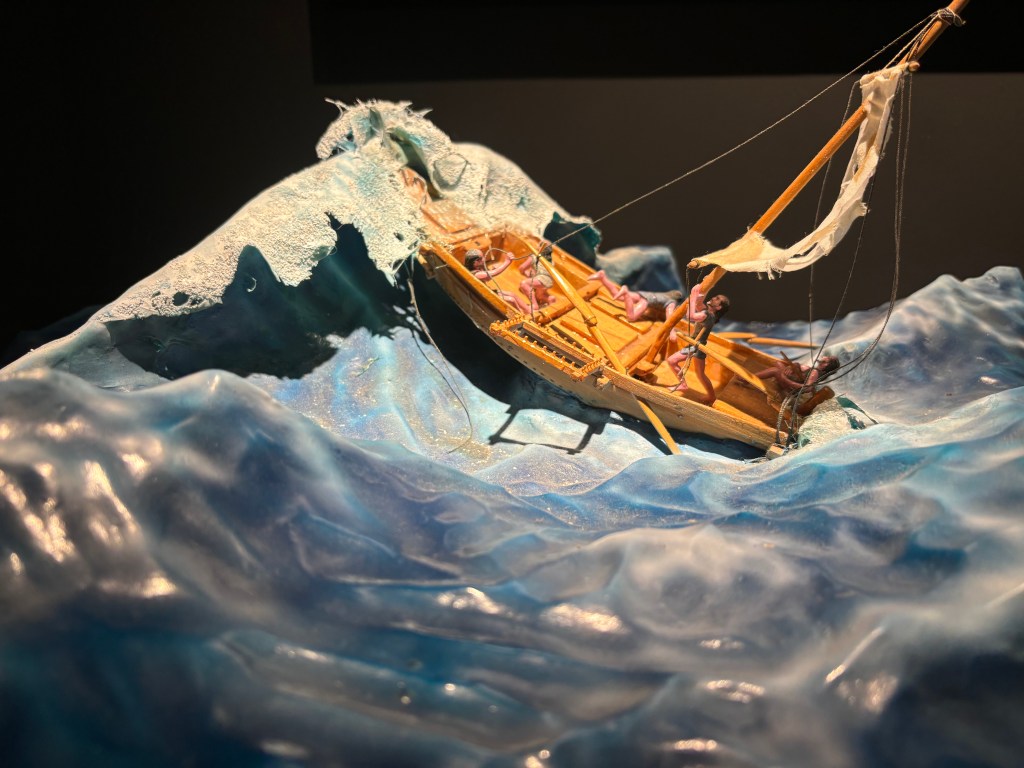
In 1841, the life of 14-year-old Manjiro took a tragic turn. On New Year’s Day, with Fudenojo as the boatman, Jusuke, Goemon, Toraemon, and Manjiro set out from Kochi Prefecture to fish. A terrible storm arose, causing them to lose their way. They finally drifted to Tori-Shima; an uninhabited island located 750 km away from Manjiro’s hometown. Food and water were hard to find because only trees grew on the island. Fortunately, a bird called the albatross had landed on the island to lay eggs. They caught the bird, ate its raw meat, and drank a limited amount of rainwater every day. However, when there was no rainwater for three months, they were forced to drink their own urine, and when the albatrosses flew off the island, they were left without food.
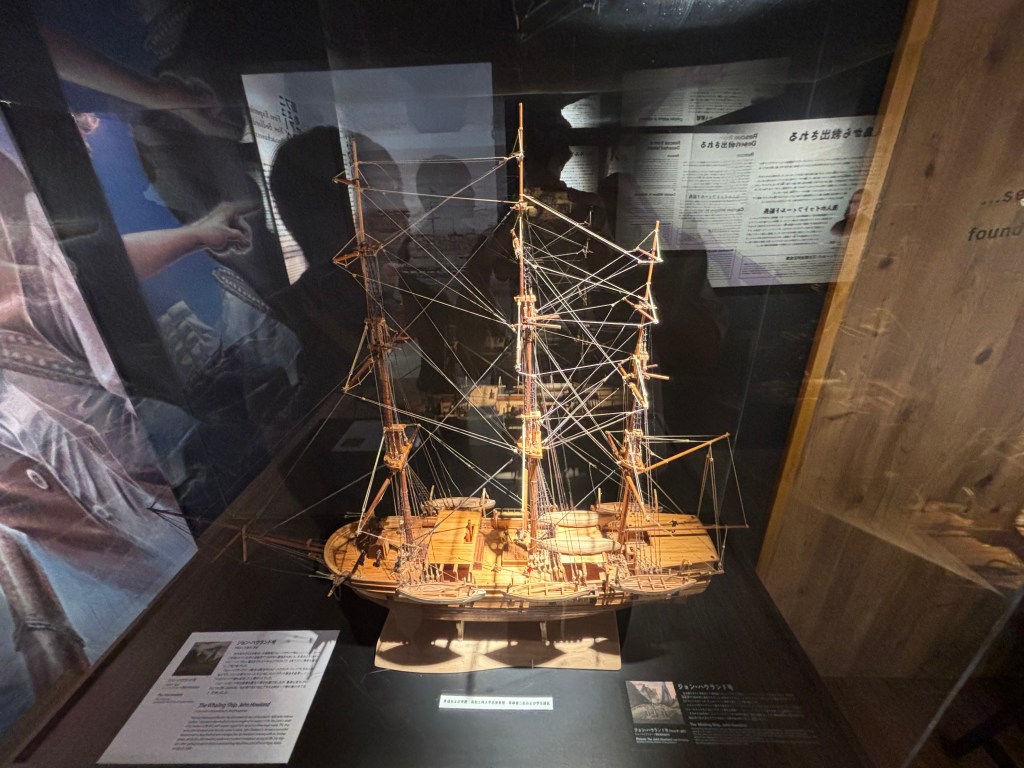
143 days after Manjiro and the others, who were as good as dead, drifted away, the whaling ship John Howland from New Bedford, Massachusetts, came into their sights. Trying their kimonos to a long pole, they prayed for help. The captain of the John Howland, William Whitfield, noticed their presence and rescued them. Immediately, William gave them new clothes and food for relief.
His days of hardship were not over yet. At that time, the Christian religion introduced from Europe was beginning to have a strong influence in Japan. Therefore, Japan had a policy of severely restricting the entry of foreign ships and turning them away with guns if they approached Japanese territory. John Howland was unquestionably a foreign ship. If it approached Japan, the lives of its crew would be in danger. Unfortunately, Manjiro and his fellows were not able to return to Japan. Instead, William asked an official to secure a house for them to live in after they arrived in Honolulu. But William desired to take Manjiro to the United States because his work attitude on the ship was superior to the others. William asked Fudenojo to permit Manjiro to go to the United States.
“It depends on how Manjiro feels,” said Fudenojo.
After overcoming the sad event of separation from his family and fellows, Manjiro decided to go to the United States, where no Japanese had ever walked before.
Issues in Lives
John Howland, with Manjiro on board, returned to its home port of New Bedford after a three-month absence. The port was a booming center of the whaling industry, with ships lining the harbor. To Manjiro, the view was out of this world. Whaling required learning navigation and surveying skills, and Manjiro also needed to learn English for communication. He attended elementary and advanced schools and is said to have graduated at the top of his class at Bartlett Technical College in Oxford.
While things were going well, he also had to fight against discrimination. One day, Manjiro visited a church with his host family. The pastor of the church told them he did not want non-whites in the congregation.
“I refuse to go to any church that says such a thing,” said William.
The help of the progressive-minded couple gently embraced Manjiro. This was the moment when the spirit to fight discrimination took root in his heart.
New Challenges Created by a Single Thought
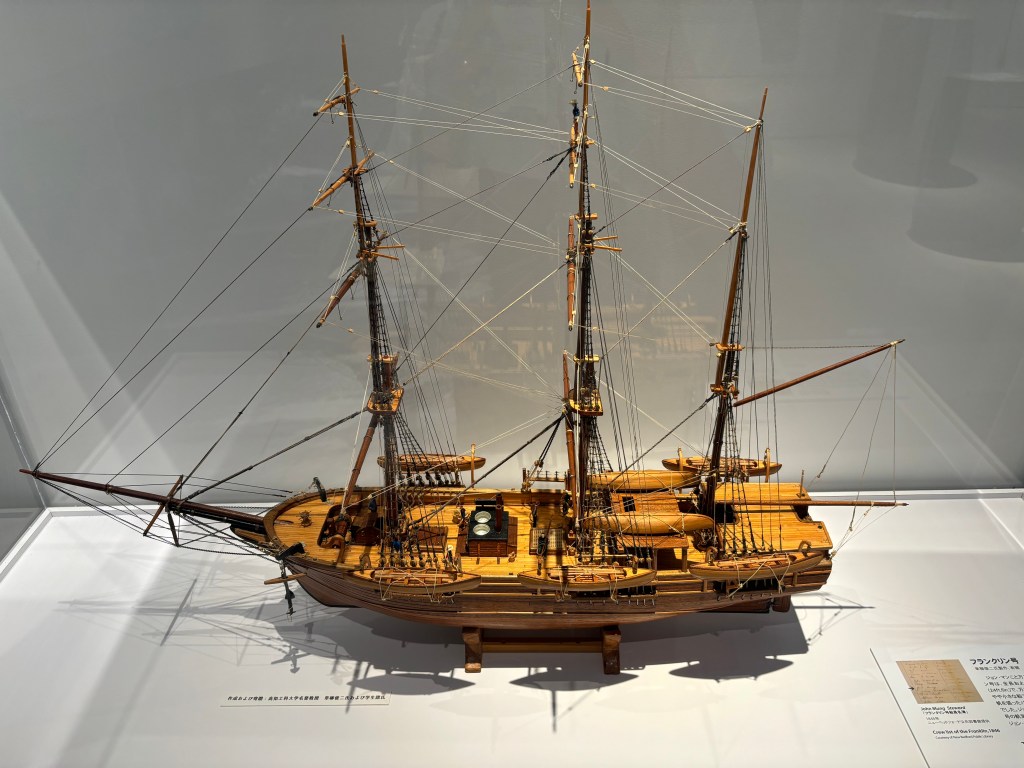
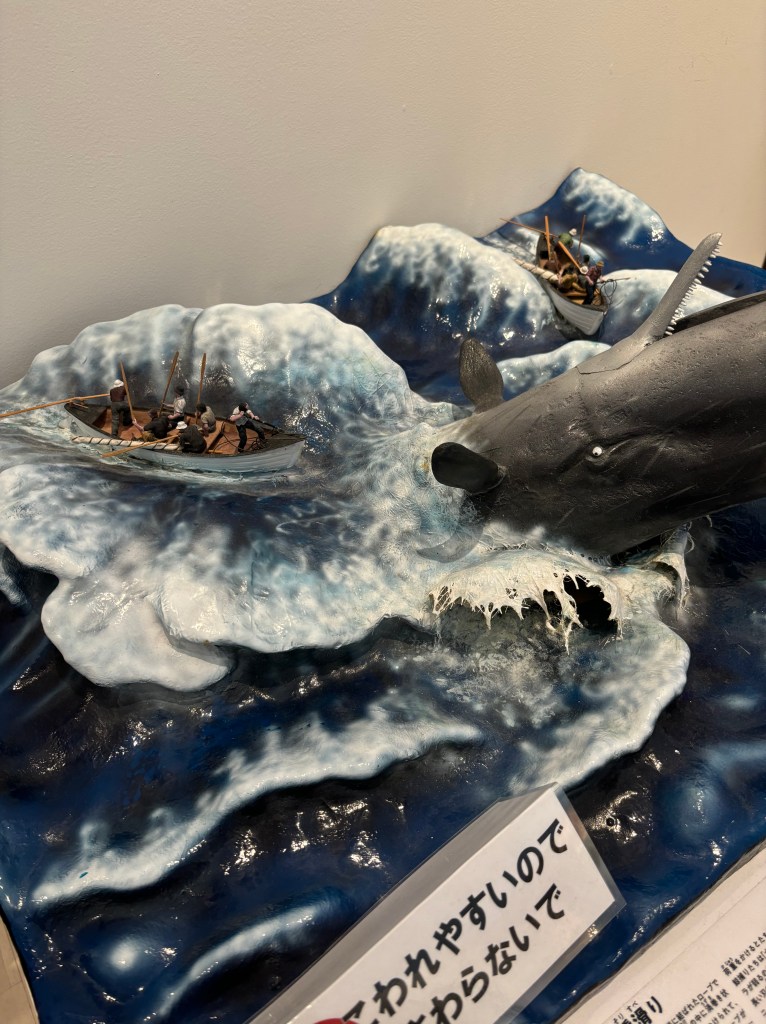
When Manjiro turned 19, a job opportunity came his way. It was a trip on the whaling ship Franklin. He had his worries, but Mrs. William strongly recommended it, and on May 16, 1846, he boarded the ship. No longer an apprentice, he served as an assistant to the captain and food manager on board due to his hard work in school. He was also in an important role, using a spear to pierce the fish when capturing whales.
885 days after his departure, Manjiro reunited with his friends in Honolulu. Hearing the stories of his friends, including Fudenojo and Goemon’s failed attempt to land in Hokkaido, and the death of Jusuke due to illness, Manjiro was heartbroken.
On the way back to Fairhaven, while Manjiro was aware of the difficulty of returning home, he kept this thought in his mind.
“I made my mind to get back and to see my dear mother.”
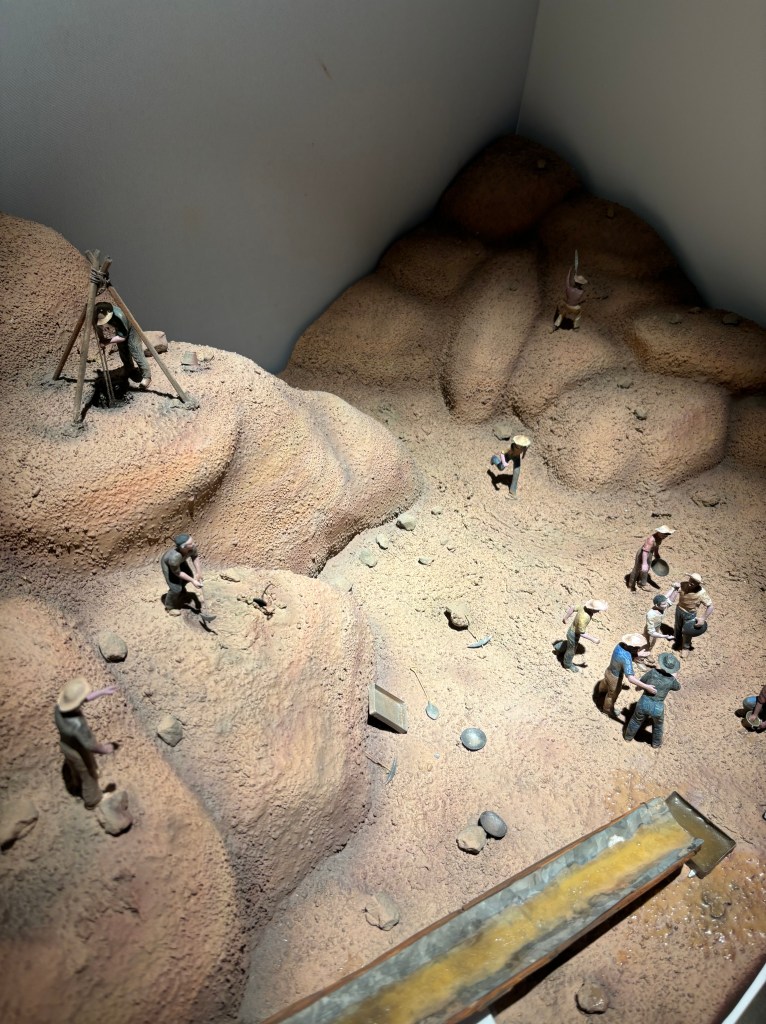
It was this feeling that made him accept the tough challenge. With William’s permission, he went to California, where many alpine mountains lie, to raise funds for his return. Despite an incident in which his employer was unable to pay for the bridge due to gambling, he raised a total of $600 on his own and went to Honolulu.
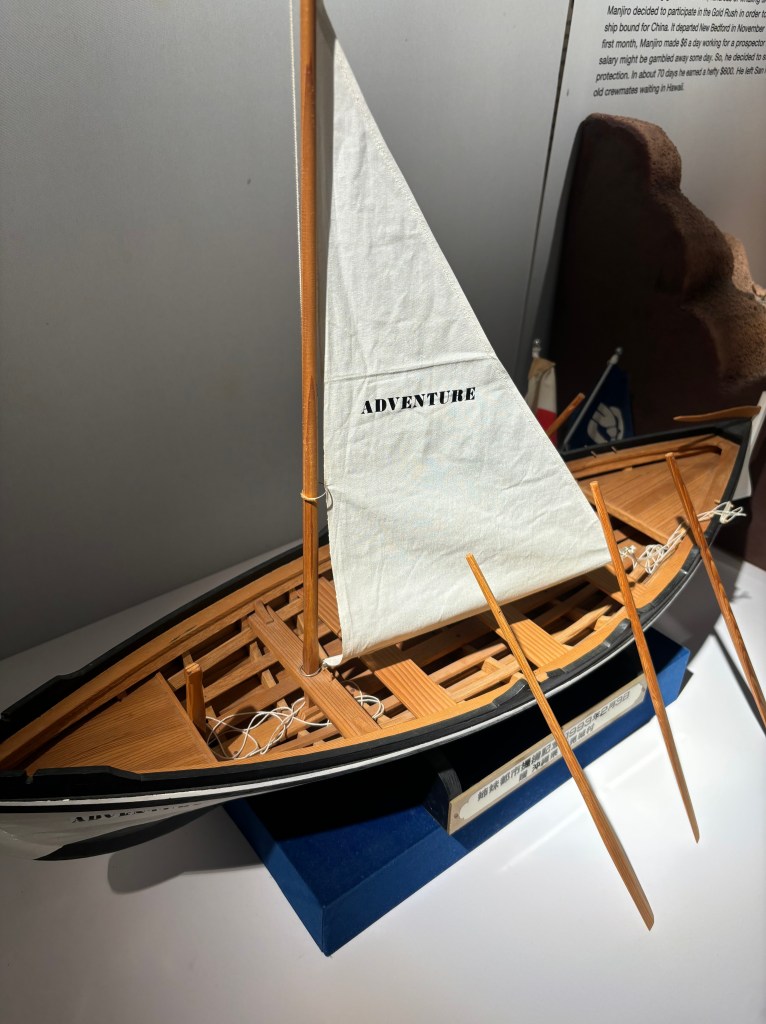
Upon arriving in Honolulu, Manjiro exchanged information with his fellows about returning home and asked Captain Whitmore, captain of Sarah Boyd, which was heading to China next month, to give him a ride to Okinawa, located at the southwest corner of the Japanese Archipelago. Manjiro also met Samuel Damon, who was a reporter at the time, and arranged for him to write an article to donate a compass, hunting rifle, and clothes in addition to arranging for a certificate to show the circumstances of his drifting in the United States.
On December 17, 1850, Manjiro named the ship he had bought with his own money Adventurer and shipped it packed aboard Sarah Boyd. His strong will to see his family and his energy overcame challenges.
Toward the dawn of Japan’s opening to the world
From the point where Sarah Boyd disembarked, land was in sight, but northerly winds and rain intensified. Fighting the fear of being lost, they spent 10 hours struggling to row the boat back to the Japanese mainland. They were then questioned by the Japanese authorities for a long time until Manjiro was able to return home to his mother.
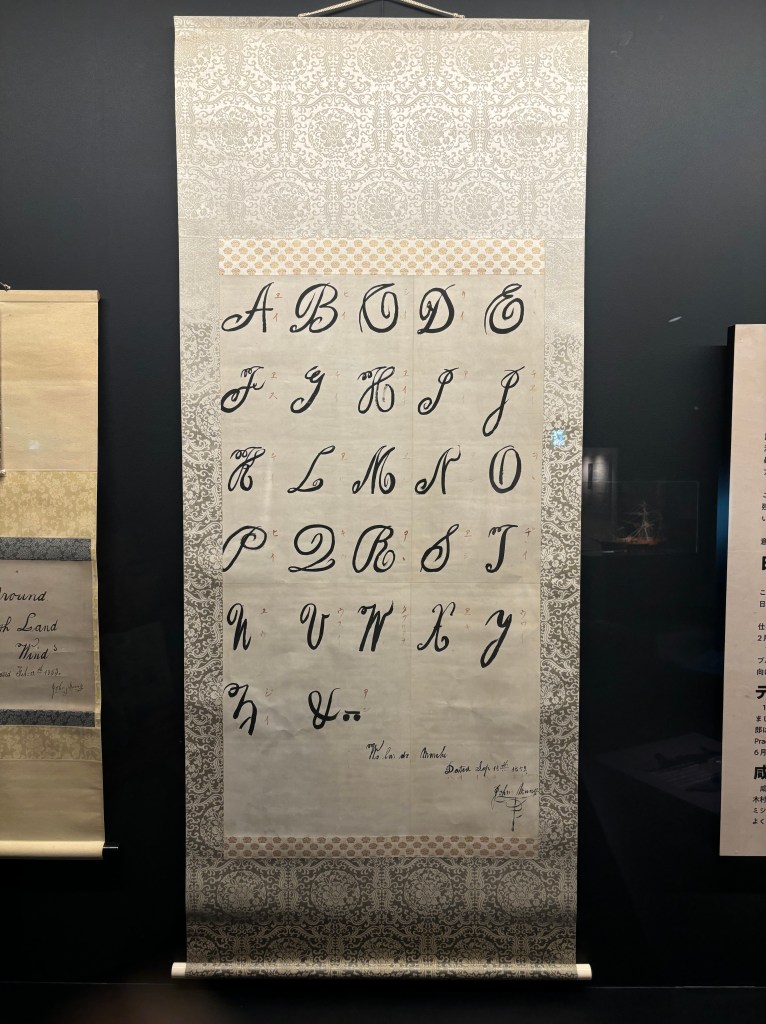
Since Manjiro was the only Japanese person who had traveled to the United States, his experiences abroad were recorded in a book by Kawada Shoryu, a painter, after his return to Japan. This book is said to have influenced many of the people who later contributed to the development of Japan. Additionally, when Matthew Perry came to Japan to press for the opening of Japan to whaling in the seas around the country, Manjiro actively passed on his knowledge of English and navigation to the younger generation. He continued his whaling activities, educational efforts, and other endeavors to the end, helping Japan open up to the outside world.
In August 2024, John Mung Oratorical Contest will celebrate nine years of history. So far, a total of 120 children have made efforts to stand at the starting point of a new life through the competition, inspired by the episode of Manjiro.
On the day of the event, they received the baton from Manjiro, and with a push from his legacy, they set out to pursue their dreams.
“Thanks to Manjiro, I am now able to overcome any hardship in pursuit of my dream of becoming an English teacher,” said the boy who was a high school student in 2021.
The act of pursuing one’s dream may have painful realities awaiting it. But at least in Manjiro’s life, the word “impossible” never existed. His life is still engraved in the hearts of the people of Kochi.
“The spirit of John Manjiro always has the power to reach the hearts of people of all ages,” said Mr. Uchida. “Whenever you are faced with an obstacle, think about what Manjiro would have done, and fight against it without giving up.”
CONTACT:
Yasufumi Uchida, chairman of Tosa John Mung Society
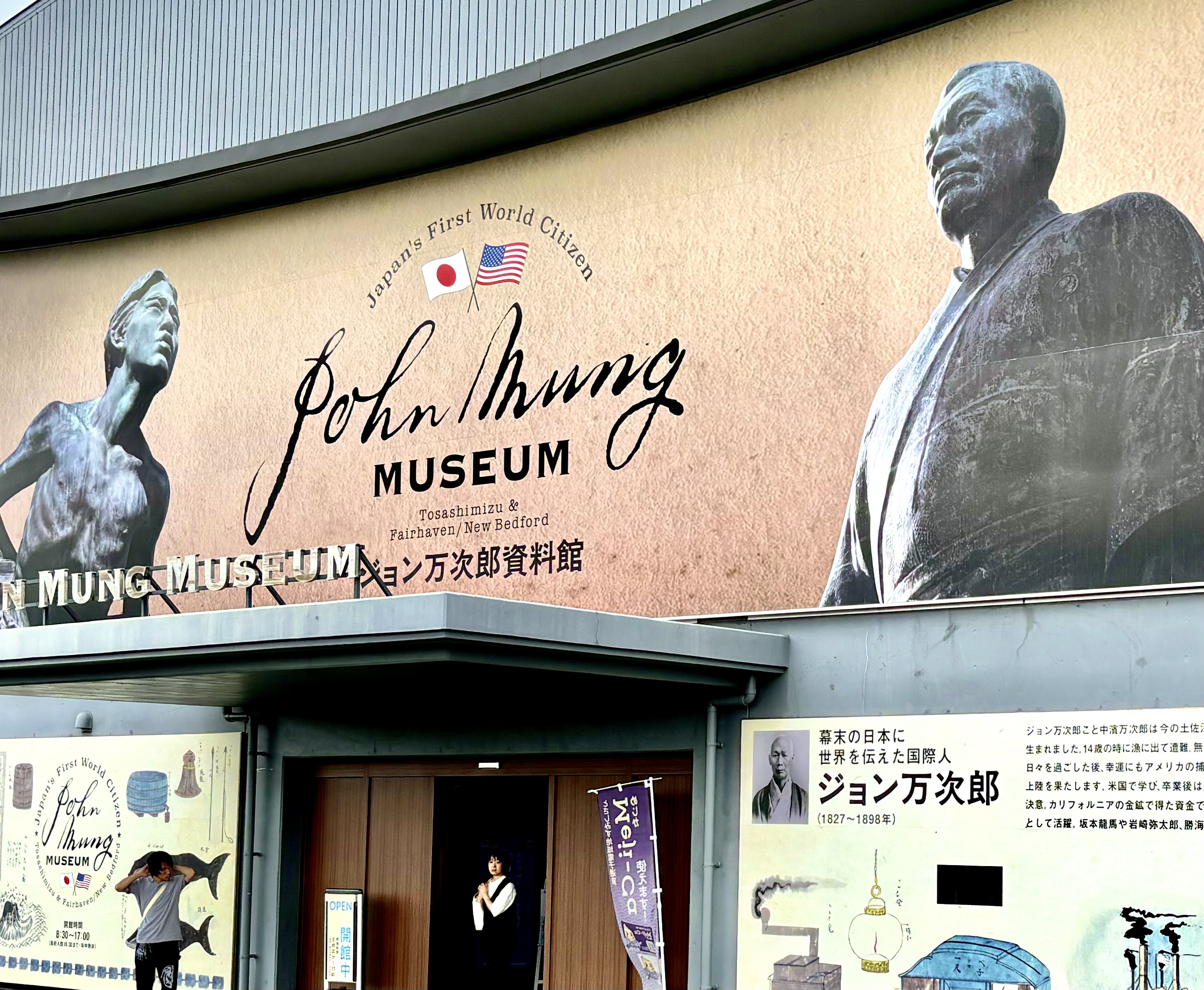
John Mung Museum in Tosashimizu City
 Life in Kochi
I thought that I already learned about John Mang in the history class. But after read this article, there are many new information. I realized that I didn’t know a bit of John Mang…
What I felt when I read your article is I must learn about the John’s “International Spirit”. I need that spirit from now on because for furure job.
I also learned from John Mang’s speach contest a lot.
I felt that it turns out that the influence he left on future generations was enormous.
I want to search and read the books of John Mang!!
LikeLike
I really want to inspect those ship models more closely. I like the details about his own personal boat he had. I didn’t remember that.
LikeLike